Family Tree: A Display Font for Modern Branding
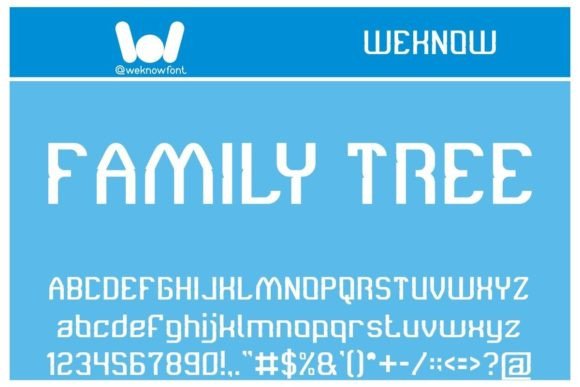
Discovering a typeface that perfectly captures the essence of a project can feel like striking gold. Family Tree is precisely that kind of find—a sophisticated display font designed to inject personality and professionalism into a wide array of creative work. Its elegant yet contemporary letterforms make it a standout choice for anyone looking to elevate their visual communication.
This premium font excels where first impressions are paramount. Think of logo design and brand identity systems. The distinct character of Family Tree helps a brand name resonate, creating immediate recognition and a sense of quality. It’s an excellent tool for crafting a memorable logotype that stands apart in a crowded marketplace. Beyond static logos, its versatility shines in apparel design, where it can render a brand name or slogan with striking clarity and style on merchandise.
Ideal Applications for This Creative Font
The utility of a well-crafted typeface like Family Tree extends across numerous design disciplines. Its balanced aesthetic supports both bold headlines and refined subtext, making it a valuable asset for various projects.
- Editorial & Print Design: It brings a polished, authoritative feel to magazine covers, book titles, and poster layouts. The font’s strong presence ensures headlines grab attention while maintaining readability.
- Digital & Social Media: In the fast-paced world of web design and social media graphics, a unique font helps content stand out. Family Tree is perfect for YouTube thumbnails, Instagram story headers, and website hero sections that need to make an instant impact.
- Packaging & Product Design: Effective packaging design relies on typography that conveys the product’s story. This typeface can add a touch of elegance or modernity to labels, boxes, and promotional materials, influencing consumer perception at the point of sale.
For creative projects in music, film, or gaming, the right font sets the tone. Family Tree can anchor the title treatment for an album cover, a movie poster, or a game interface, helping to establish the genre and mood before a single word of content is consumed. Its application in comics and cartoons also offers a fresh alternative to more traditional styles, giving a contemporary edge to visual storytelling.
Tips for Selecting and Using Your Typeface
When considering a new font download, a thoughtful approach ensures it integrates seamlessly into your workflow. First, assess the font’s readability at the sizes you intend to use. A display font should be captivating, but clarity should never be sacrificed. Test it with your specific brand name or headline text.
Next, consider font pairing. A strong display font like Family Tree often works best when paired with a clean, neutral sans serif or serif font for body copy. This contrast creates a visual hierarchy that guides the viewer’s eye and enhances overall legibility. Review the available styles and weights—does the font family include the variations your project might need, such as a bold or italic version?
Finally, always verify the license. A commercial font license is essential for professional use, ensuring you have the legal right to apply the typeface to client work, merchandise, or digital products. Understanding the terms of use protects your project and supports the designers who create these valuable assets.
Choosing a font is a fundamental design decision. A typeface like Family Tree offers more than just letters; it provides a voice for your project. Its ability to blend visual appeal with functional versatility makes it a worthy consideration for designers aiming to produce work that feels both polished and powerfully expressive. The right typography doesn’t just display words—it builds worlds, defines brands, and communicates with nuance and strength.